Keeping the Past Alive, Powering the Present
Today we focus on retrofitting historic homes, pairing modern utilities with period-appropriate interiors so everyday life feels effortless while every room still sings with its original character. We’ll explore proven strategies, honest lessons, and inspiring stories, inviting you to share your experiences, ask questions, and subscribe for ongoing guidance as you protect heritage without surrendering comfort, safety, or convenience in your beloved, time-honored spaces.

Start with History, Not Hammers

Before a single conduit is snaked or a register is cut, learn the story your house has been telling for a century or more. Establish what is original, what was altered, and what must be respected. Listening first prevents costly missteps, helps prioritize sensitive zones, and guides every modern intervention toward invisibility. This approach also builds consensus among stakeholders, facilitates approvals, and calms nerves when walls must be opened strategically rather than reactively.

Invisible Power: Electrical Systems That Disappear

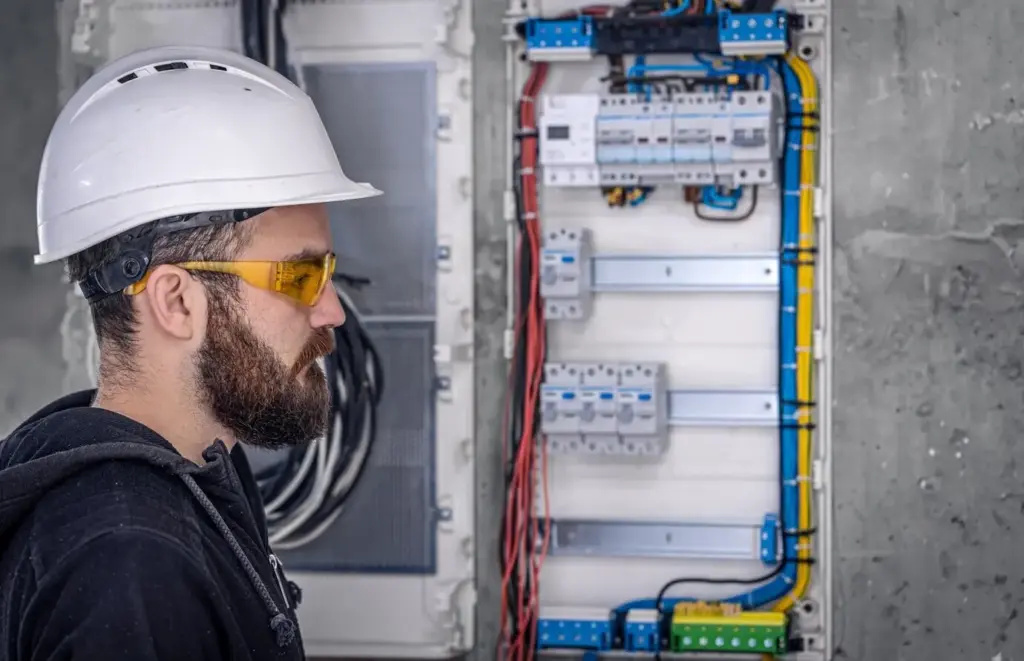
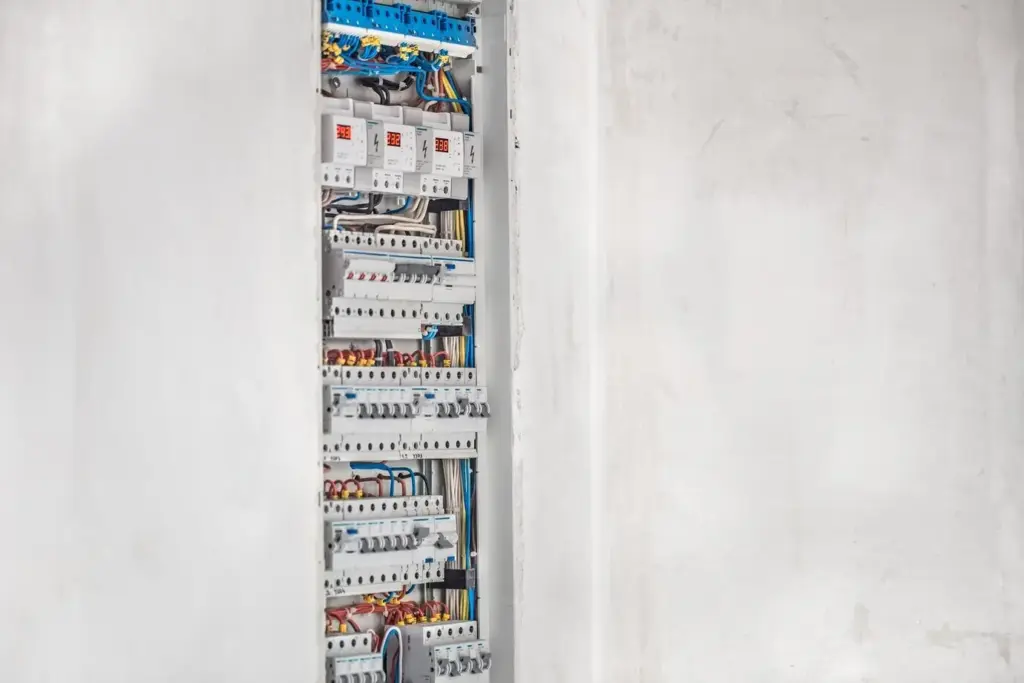
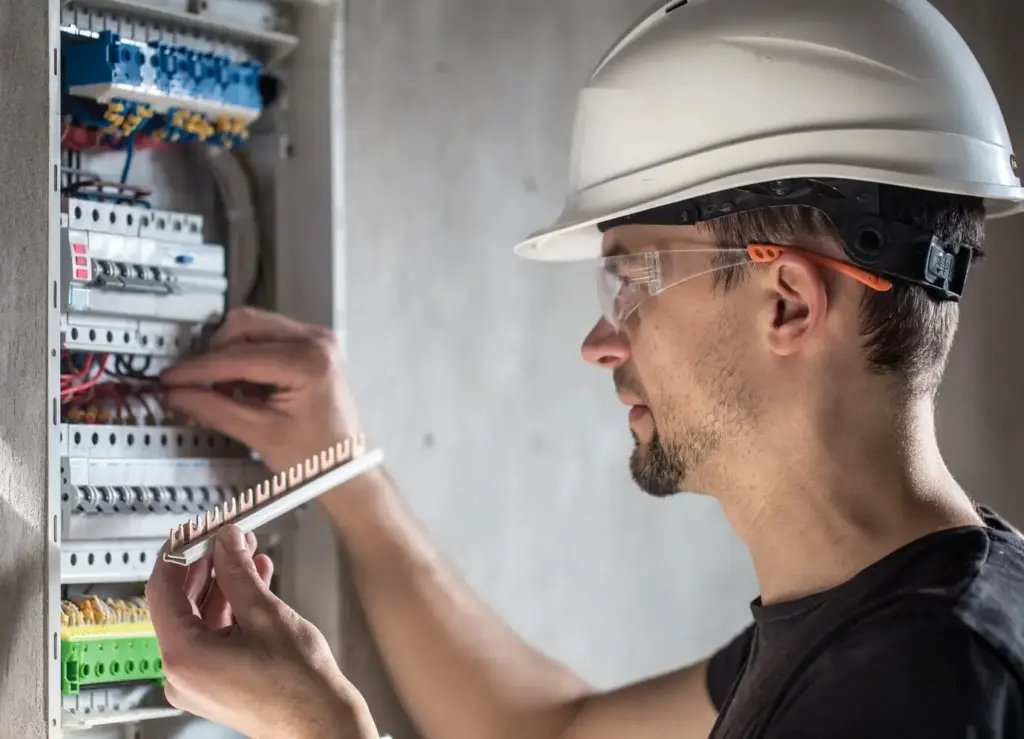
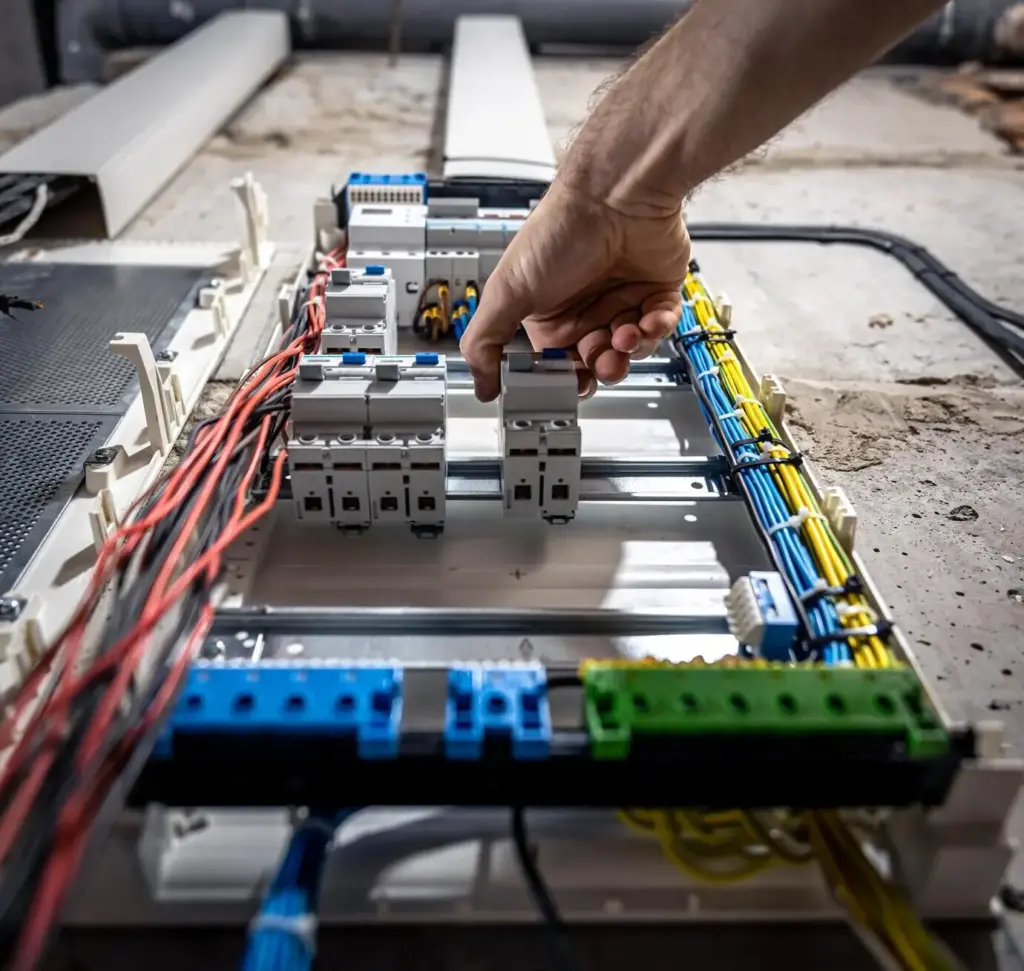
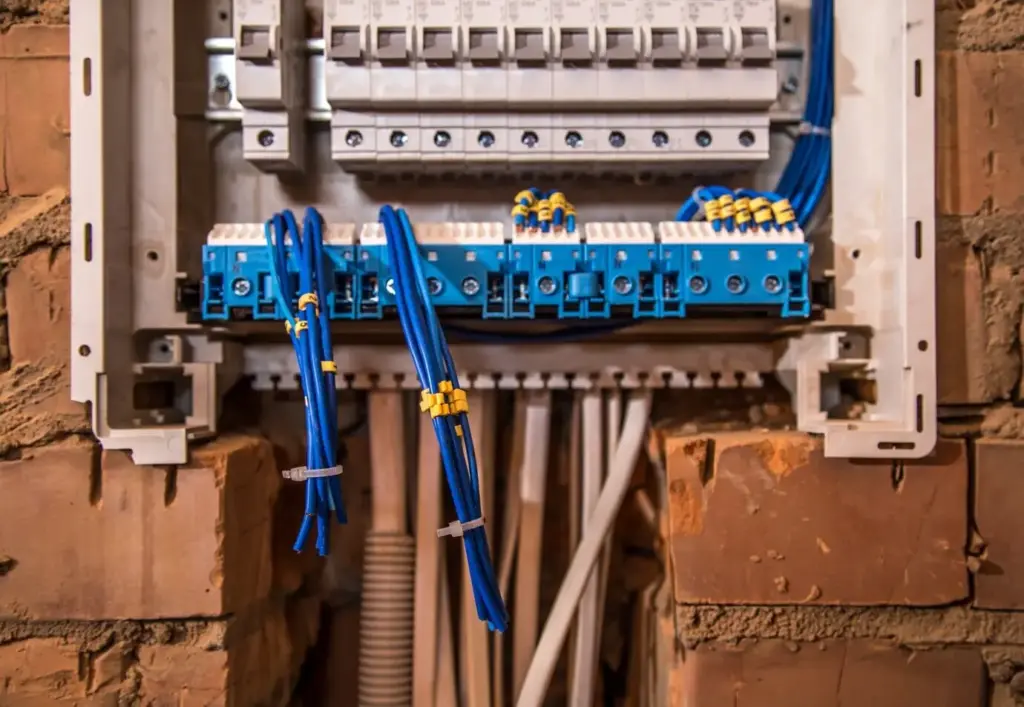
Well-planned electrical updates can deliver reliable capacity, protection, and smart connectivity while leaving rooms visually undisturbed. The goal is simple: hide the work, highlight the craftsmanship. Whether you’re replacing hazardous knob-and-tube or adding dedicated circuits for modern appliances, thoughtful routing, period-appropriate devices, and coordination with plaster repairs make technology feel native. Safety upgrades, from AFCI and GFCI protection to whole-house surge suppression, become silent guardians behind graceful switch plates and timeless lighting silhouettes.

Quiet Comfort: Heating, Cooling, and Ventilation That Respect the House

Comfort must be felt, not seen. Select systems that snake through existing cavities, whisper through tiny outlets, and balance temperatures without rumbling or visual disruption. From high-velocity air to ductless solutions and hydronic heat, match equipment to the architecture, local climate, and fuel realities. Ventilate kitchens and baths responsibly to prevent moisture damage while meeting preservation standards. With nuanced commissioning, rooms feel calm and airy, and heritage details remain undisturbed by bulky mechanical intrusions.

Waterworks with Grace: Plumbing Upgrades without Scars

Reliable water service should never bite into historic fabric more than necessary. By cleverly using closets, stacked baths, and under-stair cavities, new supply lines, waste stacks, and vents can travel discreetly. Coordinate with tile, stone, and plaster restoration so openings vanish into authentic finishes. Mixers achieve scald protection, filtration supports taste, and flood sensors stand guard, while visible fixtures echo the home’s era with thoughtful silhouettes, patinas, and tactile metalwork that complement modern performance.

Chase planning and fixture placement

Stack wet rooms where practical, aligning fixtures on shared walls to reduce penetrations. Use slim-wall carriers for wall-hung toilets only where structure allows and conceal access panels within millwork. Copper, PEX, or stainless systems should be mapped with expansion control and isolation valves at logical junctions. By planning meticulously, water moves silently behind baseboards and wainscots, and visible elements present as carefully curated artifacts rather than obvious twenty-first-century necessities in a venerable envelope.

Kitchens and baths with character

Design kitchens and baths that resonate with the home’s era through inset cabinetry, authentic hardware, and historically sympathetic tile patterns, while integrating dishwashers, pressure-balanced valves, and thermostatic controls. Hide outlets under cabinet lips, select bridge faucets with modern cartridges, and secure stone to robust substrates that protect fragile plaster nearby. The result is durable convenience wrapped in timeless detail, where each surface feels storied and every drawer conceals thoroughly modern function without spectacle or compromise.

Protection, monitoring, and peace of mind

Install leak detection sensors under sinks, behind refrigerators, and near water heaters, tied to smart shutoff valves discreetly placed in utility closets. Consider fire sprinklers only with preservation guidance, choosing concealed heads where allowed. Add vacuum breakers, proper trap primers, and backflow prevention to safeguard systems. Monitoring platforms send alerts quietly while family gathers in rooms glowing with original wood and glass, sustaining continuity between safety advancements and the domesticated rituals of everyday living.

Efficiency without Sacrificing Soul

Energy upgrades should honor the building’s physics and its materials’ ability to breathe. Insulation, air sealing, and window decisions must respect vapor profiles, detailing, and reversible interventions. Restore and weatherstrip original sash wherever possible, adding interior or exterior storms for performance. Target attics, basements, and penetrations for big wins, while monitoring humidity and temperature to avoid unintended consequences. Efficiency gains feel substantial, yet the tactile warmth of original elements remains lovingly front and center.

Finish Craft: Materials, Colors, and Lighting That Honor the Era

Finishes are the visible promise that all hidden work was worth it. Match profiles, sheens, and hues that belong in the house, and plan lighting to flatter textures rather than expose every patch. Combine period-evocative fixtures with modern safety and LED efficiency. Prioritize reversible methods and honest materials so future caretakers can read your work. In the end, eyes notice the glow of wood and plaster, not the secret choreography humming behind walls.

Codes, permits, and preservation review

Meet early with building officials and preservation staff to align expectations. Present drawings that clarify reversible methods, material specifications, and safety objectives. Energy code compliance may allow historic exceptions; document them carefully. Always protect life safety while preserving character-defining features. Transparent communication earns trust, speeds approvals, and prevents costly rework. This respectful dialogue becomes another layer of caretaking, ensuring today’s ingenuity fits within long traditions of civic responsibility and architectural continuity.

Budgeting, phasing, and living through work

Prioritize life-safety and envelope stability first, then sequence mechanical, electrical, and plumbing behind planned finish restoration. Build a contingency to address concealed conditions like hidden rot or obsolete wiring. Establish dust control, temporary kitchens, and quiet hours if you’re in residence. Phased milestones keep morale high and cash flow predictable. Document each step for future maintenance. The process becomes a narrative you can share proudly, inviting others to learn from your measured, resilient approach.

Craftspeople, stories, and community

Seek artisans who speak the language of old houses and celebrate patient methods. Capture their insights, photograph details, and share progress with neighbors and fellow enthusiasts. Ask questions in the comments, subscribe for updates, and tell us about your favorite discovery—perhaps a hidden transom or hand-scribed joist. These conversations build a supportive network, where hard-won lessons circulate generously and every restored moulding, tuned radiator, and humming wire becomes part of a shared, living legacy.

Pimonutufezevoti
Privacy Overview

This website uses cookies so that we can provide you with the best user experience possible. Cookie information is stored in your browser and performs functions such as recognising you when you return to our website and helping our team to understand which sections of the website you find most interesting and useful.